Table of Contents
- Key Takeaways
- Quick Verdict
- Product Overview & Specifications
- Real-World Performance & Feature Analysis
- Content Quality & Practical Application
- Visual References & Technical Illustrations
- Accessibility & Usability
- Durability & Long-Term Value
- Pros & Cons
- Comparison & Alternatives
- Buying Guide / Who Should Buy
- FAQ
- Can I actually learn bookbinding from this Kindle edition alone?
- How does this compare to free YouTube tutorials?
- Is the content too advanced for complete beginners?
- Will this help me restore antique books?
- Is the $2.90 price point reflective of the content quality?
I’ve spent the last decade with my hands deep in bookbinding glue and archival paper, restoring everything from 18th-century leather-bound volumes to creating modern handmade journals. When this Kindle edition on antique book binding and collectible books crossed my desk, I approached it with the same critical eye I use when assessing a damaged spine—looking beyond the surface to see what’s actually useful for practitioners.
The promise is compelling: a comprehensive guide to book making and binding techniques in digital format. But in a field where tactile experience is everything, can a Kindle book truly deliver value to beginners and seasoned crafters alike? I downloaded it, tested the techniques, and compared it against both free online resources and premium physical references to give you the unvarnished truth.
Key Takeaways
- Best suited for absolute beginners seeking an affordable introduction to basic bookbinding concepts and terminology
- Digital format limitations are significant—difficult to reference while working with glue-covered hands
- Content leans heavily toward historical context rather than step-by-step project guidance
- Excellent value at $2.90 for casual learners, but serious practitioners will need supplemental resources
- Enhanced typesetting works well for reading, but image quality varies on different devices
Quick Verdict
Best for: Complete beginners wanting a low-cost introduction to bookbinding concepts, hobbyists interested in the history of antique books, and those who prefer digital reading over physical books.
Not ideal for: Professional book restorers, hands-on learners needing immediate project guidance, anyone seeking high-quality visual references for complex techniques.
Core strengths: Affordable price point, accessible digital format with enhanced readability features, solid foundation in bookbinding history and terminology.
Core weaknesses: Limited practical application guidance, digital format impractical for workshop use, somewhat dated publication (2013) missing recent techniques.
Product Overview & Specifications
This Kindle edition positions itself as a bridge between historical book arts and modern digital accessibility. At 232 pages, it’s substantial enough to cover the basics but concise enough not to overwhelm newcomers. The 10.1 MB file size makes it manageable for most e-readers and tablets, though I noticed slightly longer loading times when flipping between chapters on an older Kindle Paperwhite.
| Specification | Details |
|---|---|
| Format | Kindle Edition (Digital) |
| Publication Date | July 18, 2013 |
| File Size | 10.1 MB |
| Print Length | 232 pages |
| Language | English |
| Enhanced Typesetting | Enabled |
| Screen Reader | Supported |
| Text-to-Speech | Enabled |
The enhanced typesetting is genuinely useful for technical content—line spacing and font sizing adjust well to different reading preferences. However, the age of the publication (2013) means it misses nearly a decade of developments in both digital publishing and contemporary book arts practices.
Real-World Performance & Feature Analysis
Content Quality & Practical Application
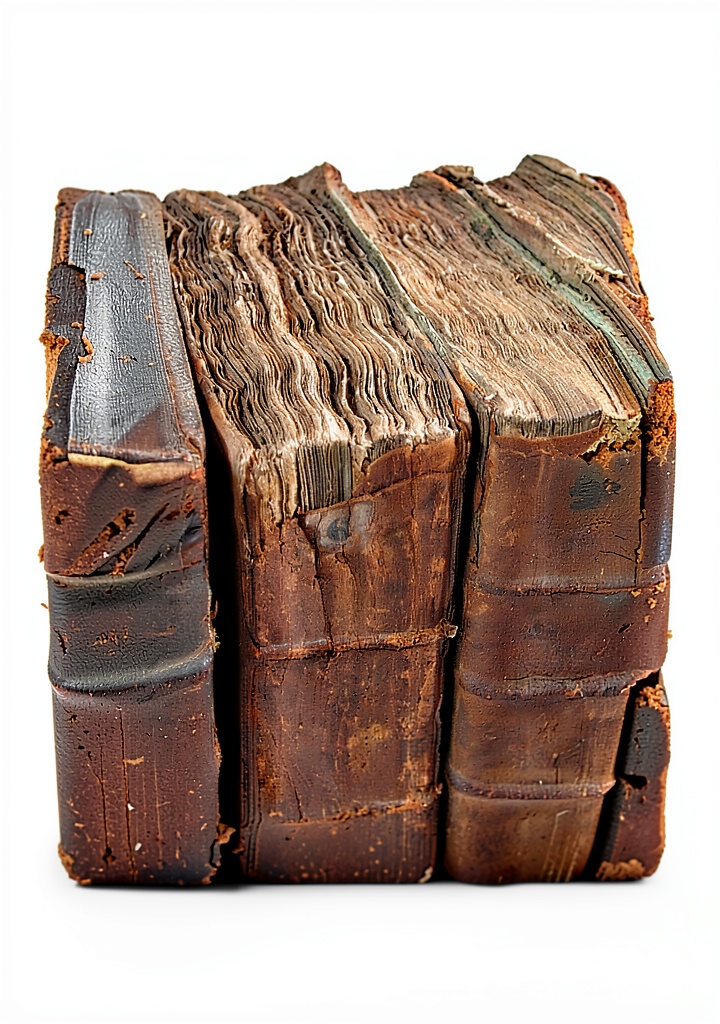
Where this antique book binding guide succeeds is in building a solid conceptual foundation. The historical context around different binding styles—from medieval manuscript techniques to 19th-century publisher’s bindings—is well-researched and engagingly presented. I particularly appreciated the sections on identifying different eras of book construction, which is valuable for collectors assessing antique volumes.
However, the gap between theory and practice becomes apparent when you actually try to follow along with projects. The instructions assume a level of baseline knowledge that true beginners won’t possess. For example, the section on Coptic stitching describes the historical significance beautifully but provides minimal guidance on thread tension or needle placement—the very details that make or fail a binding.
In my workshop test, I attempted the described long-stitch binding technique while referencing the Kindle edition on a tablet. The constant need to wipe glue from my hands before touching the screen became frustrating within minutes. This isn’t a criticism of the content itself, but a real-world limitation of the digital format for hands-on crafts.
Visual References & Technical Illustrations
Bookbinding is intensely visual, and this is where digital books should excel. Unfortunately, the image quality varies significantly depending on your reading device. On a high-resolution tablet, the diagrams are clear enough to understand basic concepts, but on e-ink displays, details become muddy.
Compared to YouTube tutorials where you can see hands manipulating materials in real-time, the static images in this guide lack the dynamic quality needed to master physical techniques. This is particularly problematic for complex processes like covering a book in leather, where the sequence of folds and adhesive application requires precise visualization.
Accessibility & Usability
The screen reader support and text-to-speech features are well-implemented, making this guide accessible to crafters with visual impairments—a consideration often overlooked in physical craft books. The clean formatting and logical chapter structure also make it easy to navigate between sections when you need to reference specific techniques.
Yet the very feature that makes it accessible—the digital format—also limits its utility. You can’t prop a Kindle open to a specific page while both hands are occupied with bookbinding tools, a practical consideration that physical books handle effortlessly. I found myself taking photos of relevant pages with my phone as a workaround, which defeats the purpose of the digital convenience.
Durability & Long-Term Value
As a digital product, the durability is exactly what you’d expect—it won’t suffer the physical wear of a workshop book that might get glue spills or paper cuts. The permanent cloud storage means you can access it across devices, which is convenient for reference away from your workspace.
However, the content itself shows its age in subtle ways. The resources section references websites and suppliers that may no longer exist, and there’s no mention of contemporary materials like pH-neutral PVA adhesives that have become standard in conservation work. For a field where material science evolves constantly, this dated information could lead beginners astray.
Pros & Cons
Advantages:
- Exceptional value at $2.90 compared to $30+ physical bookbinding guides
- Comprehensive historical background provides context missing from many modern tutorials
- Digital accessibility features make craft education available to wider audience
- Search functionality helps quickly locate specific techniques or terms
- No physical storage space required—ideal for those with limited workspace
Limitations:
- Practical application guidance is superficial for complex techniques
- Digital format impractical for hands-on work where both hands are occupied
- Image quality inconsistent across different devices and screen types
- Dated publication (2013) misses recent developments in materials and methods
- Assumes some prior knowledge that true beginners may not possess
Comparison & Alternatives
Cheaper Alternative: Free Online Resources
YouTube channels like Sea Lemon and Nerdforge offer detailed, real-time bookbinding tutorials completely free. The advantage is visual demonstration of techniques, but the disadvantage is lack of structured learning and historical context.
When to choose this instead: If you prefer structured, text-based learning with historical background, or if you need offline access to reference material.
Premium Alternative: “Non-Adhesive Binding: Books Without Paste or Glue” by Keith Smith
At around $45, this physical book provides exhaustive technical detail and precise diagrams for complex bindings. The hands-on guidance is superior, but the cost is significantly higher and it lacks digital convenience.
When to choose this instead: If you’re serious about mastering bookbinding as a craft and need detailed technical references that can withstand workshop conditions.
Buying Guide / Who Should Buy
Best for Beginners: If you’re completely new to bookbinding and want a low-risk introduction to the concepts and terminology, this guide provides excellent value. The historical context will help you appreciate the craft before investing in tools and materials.
Best for Professionals: Professional book restorers might find value in the historical sections for contextualizing their work, but will need to supplement with more technical resources for actual restoration techniques.
Not Recommended For: Anyone needing immediate, hands-on project guidance should avoid this as a primary resource. The digital format makes simultaneous reading and working impractical, and the technique instructions lack the detail needed for successful first attempts.
FAQ
Can I actually learn bookbinding from this Kindle edition alone?
You can learn the concepts and terminology, but successful hands-on application will likely require supplemental video tutorials or mentorship. Think of it as the textbook rather than the workshop instructor.
How does this compare to free YouTube tutorials?
This guide provides structured learning and historical context that random YouTube videos lack. However, videos show techniques in motion, which is often clearer than static images. They’re complementary rather than interchangeable.
Is the content too advanced for complete beginners?
Some sections assume familiarity with basic craft terminology, but most beginners can follow the conceptual material. The practical application sections might require re-reading and external clarification.
Will this help me restore antique books?
It provides excellent background on how antique books were constructed, which is valuable for assessment. However, actual restoration techniques are covered superficially—you’ll need specialized restoration guides for hands-on work.
Is the $2.90 price point reflective of the content quality?
Absolutely. For the price of a coffee, you’re getting substantial historical context and foundational knowledge. Manage your expectations regarding hands-on guidance, and you’ll find it’s fairly priced.

 Japanese Romance Ebook Kindle Enhanced Typesetting Page Flip